How GLP-1 Foods are Redefining Foodservice
23rd June 2026
The UK high street is witnessing a quiet revolution.
There has been a significant rise in the use of GLP-1 medications like Ozempic and Wegovy, and their influence is expanding from the pharmacy into the foodservice industry.
These medications are fundamentally changing how people eat out; traditional large portions that once defined value are increasingly being left unfinished.
To stay relevant in this shifting landscape, chefs and operators must pivot their strategy. Quantity is being replaced by quality. For foodservice businesses, it’s an invitation to refine the menu, focusing on essential nutrients and premium experiences that cater to a customer who wants every bite to count.
Rethinking Food Portion Sizes: Quality Over Quantity
In the past, value was often measured by more food for less money. However, food portion sizes are now under the microscope. Clinical trials and consumer data show that those on GLP-1 medications experience a significantly reduced appetite, meaning they often stop eating much sooner than they used to.
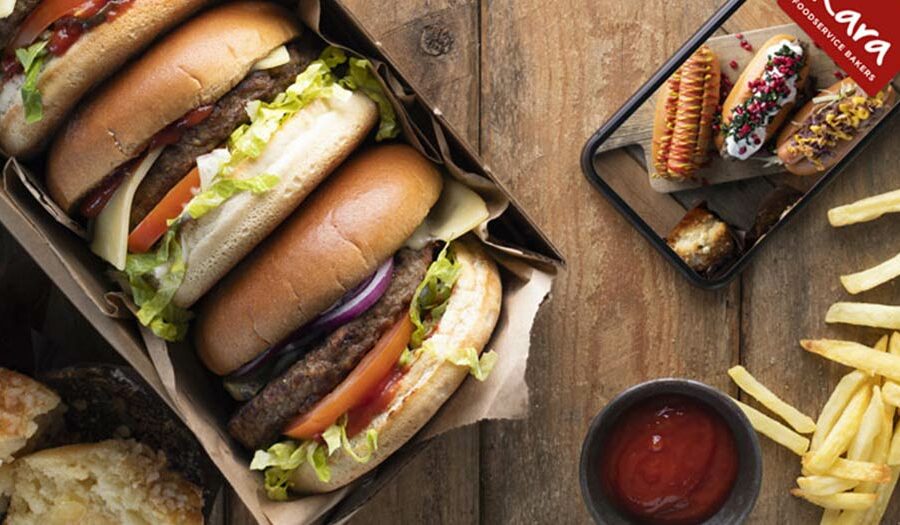
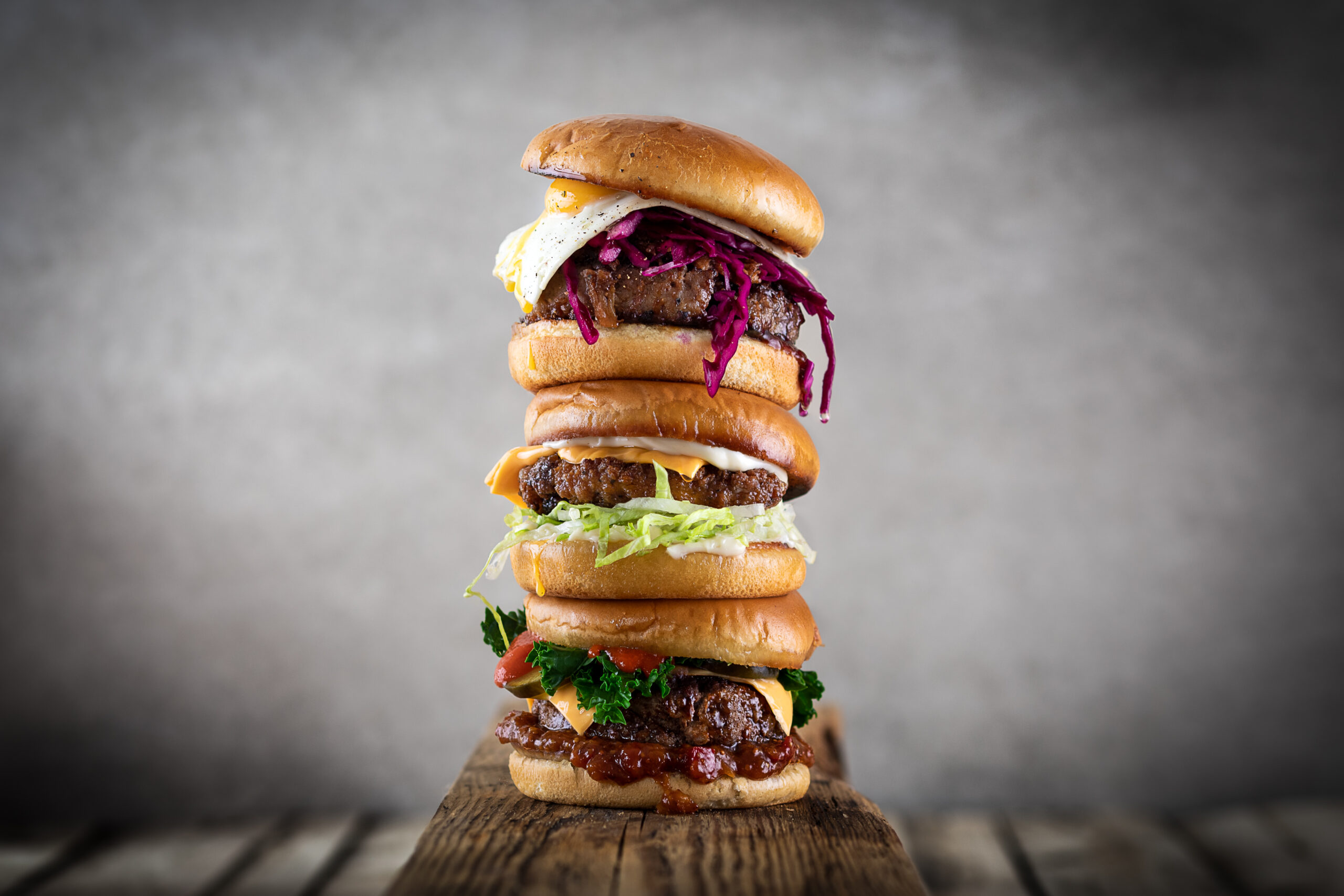
As an operator, the challenge is to provide a balanced diet that feels indulgent without being overwhelming. Instead of a standard 6-oz burger, why not switch it up to premium sliders?
Using a Kara Gourmet Brioche Slider Bun allows you to offer the same high-quality taste in a smaller portion size. It’s about portion control that feels like a premium choice, not a restriction.
5 Food Groups for a Nutrient-Dense Diet
According to the Eatwell Guide, a healthy, balanced diet relies on variety and the right food portions to meet individual needs. However, for the GLP-1 diner, the priority shifts from volume to nutrient density. When a customer eats fewer calories, every single bite must deliver maximum value. To stay profitable and relevant, operators should look at their menu through the lens of these 5 food groups:
1. Starchy Carbohydrates
Swap standard white bread for higher fibre versions or artisanal sourdough buns. Starchy foods should make up just over a 1/3 of our intake, so by choosing premium, high-fibre bases, you ensure that third is packed with both flavour and satiety.
2. Protein
Focus on high-quality protein foods like lean meat, fish, eggs. For a plant-based twist, pulses like baked beans, lentils, and peas are excellent low-fat alternatives to processed meat, providing essential nutrients like iron and fibre.
3. Fruit and Vegetables
We are all encouraged to eat at least 5 portions of fruit and vegetables daily, making up just over a third of our daily portions. Incorporating these into smaller plates ensures the meal remains rich in vitamin C.
4. Healthy Fats
Move away from saturated fats and added fat. Instead, embrace healthy fats like olive oil, nut butter, and unsaturated fats to add a premium richness and depth of flavour to smaller, more precise dishes.
5. Dairy and Alternatives
When customers are grazing, offering lower sugar yoghurt dips or lower fat milks and cheeses provides the essential nutrients needed for bone health, like calcium, without adding too many calories. These are perfect for supporting weight management goals while maintaining a creamy, indulgent mouthfeel.
The “Side-as-a-Main” Trend
We are seeing a move away from the “heavy main” toward a “grazing” style of dining. Customers are increasingly looking for different foods in smaller formats. This is where your bakery range can shine.
Instead of a large loaf, offer focaccia strips or doughballs as the hero of a small plate. These items allow customers to enjoy starchy foods alongside vegetables or a baked potato without feeling like they’ve consumed too many calories.
It’s portion-wise dining that keeps your margins high and your food waste low.
Micro-Indulgences and Sweet Cravings
The desire for a treat doesn’t disappear when someone decides to lose weight or start weight loss medication. However, a massive slice of cake can be daunting.
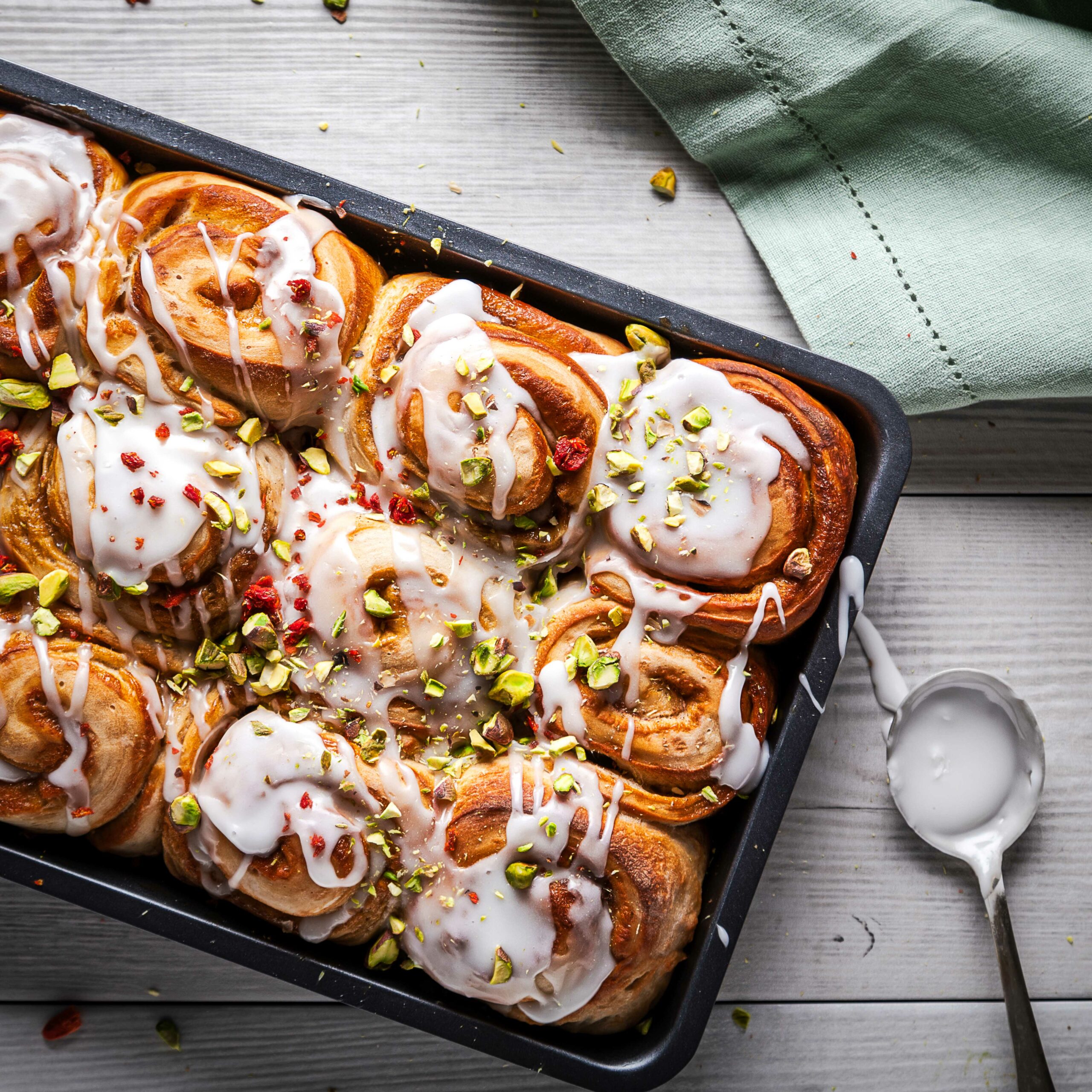
Switch to mini sweet treats. Kara’s muffins or jam-filled doughnut balls allow customers to enjoy a sweet treat with their coffee or fruit juice, without compromising their diet or healthy eating plan.
By offering lower sugar options and sugar-free drinks, you support their healthy eating plan while still securing that vital dessert upsells.
Refining the Menu for a Healthy Weight
The GLP-1 era isn’t the end of dining out; it’s simply the evolution of the menu.
By focusing on protein, vitamin C, and essential nutrients, and by reducing added sugar and saturated fats, you can create a healthy menu that appeals to everyone.
Ready to resize your menu for the modern diner?
Explore Kara’s range of sliders, mini-bakery goods, and premium loaves today: https://karafs.co.uk/wholesale-bakery-products/